01 / Relocation
Relocation Buyers
Scouting, video tours, school research, and offer strategy for buyers who have not landed yet. I am your eyes on the ground before you arrive.
See how relocation worksPHILLY & THE BURBS REALTOR · RELOCATION FIRST
Craig Lerch, a Pennsylvania licensed broker with 37+ years in the business and more than 4,000 transactions, runs MoveUpPhilly as a free relocation guide for out-of-town buyers and renters moving to Philadelphia and the suburbs. The site delivers real neighborhood breakdowns across the five-county region, honest cost-of-living numbers, and step-by-step moving advice from the broker who has closed deals in the city and the surrounding counties. Whether you are relocating for work, retirement, or a fresh start, this is where you start before you start packing.
Prefer a voice? (267) 214-7728
Now Booking Relocation Calls
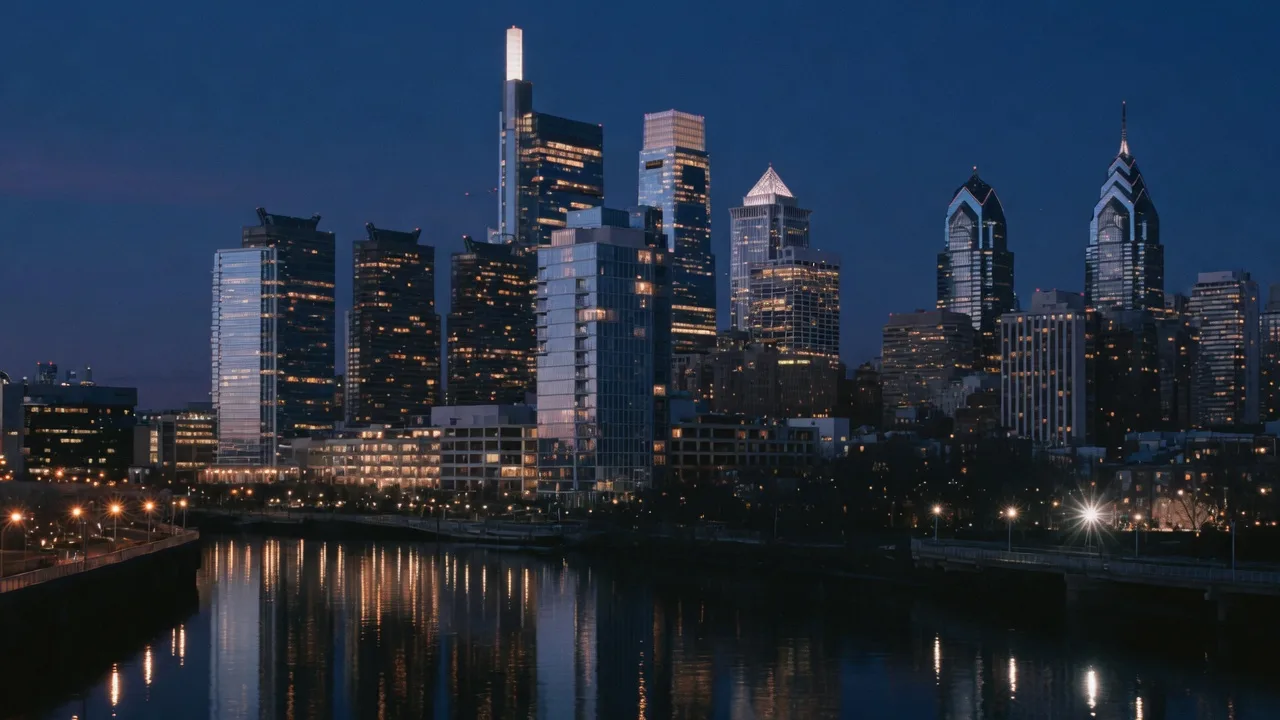
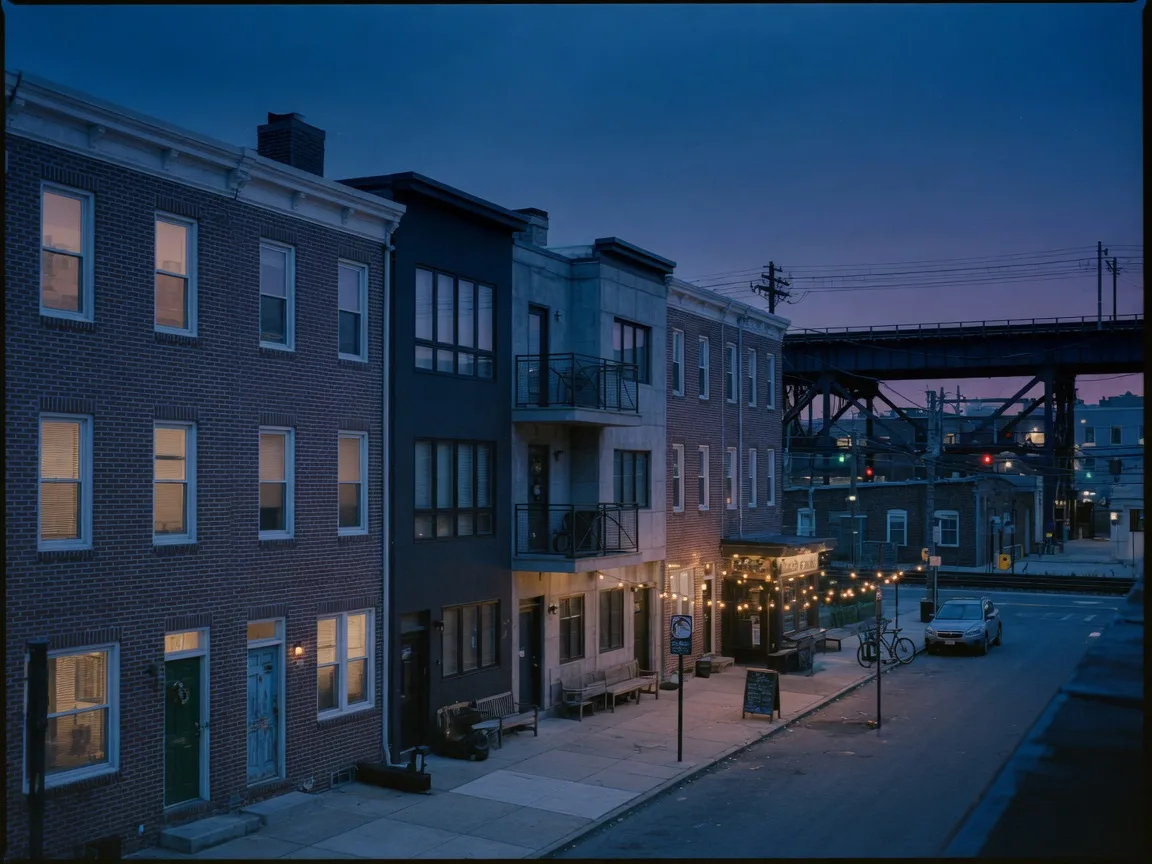
Schuylkill River · Blue Hour

Transit Index · Typical minutes to Center City
Craig Lerch · Broker, EXP Realty · License AB060964L
Weather in Philly · Center City 19102
Live conditions and a seven-day outlook for Center City, refreshed automatically so you always see what the day is doing. Useful for out-of-town buyers planning a visit, a tour day, or just trying to guess what to pack.
Current · Philadelphia, PA
Live-- °F
Loading live conditions…
Feels like --°F
7-Day Forecast · Philadelphia
Daily Highs & Lows
Live weather data via Open-Meteo · refreshed automatically
01 · Neighborhood Guides
Philadelphia is a block-by-block market. Start with the areas relocating buyers actually move to, from the high-rise core to the Main Line, then zoom out to the metro's five counties: Philadelphia, Montgomery, Bucks, Chester, and Delaware.
05 min to Center City
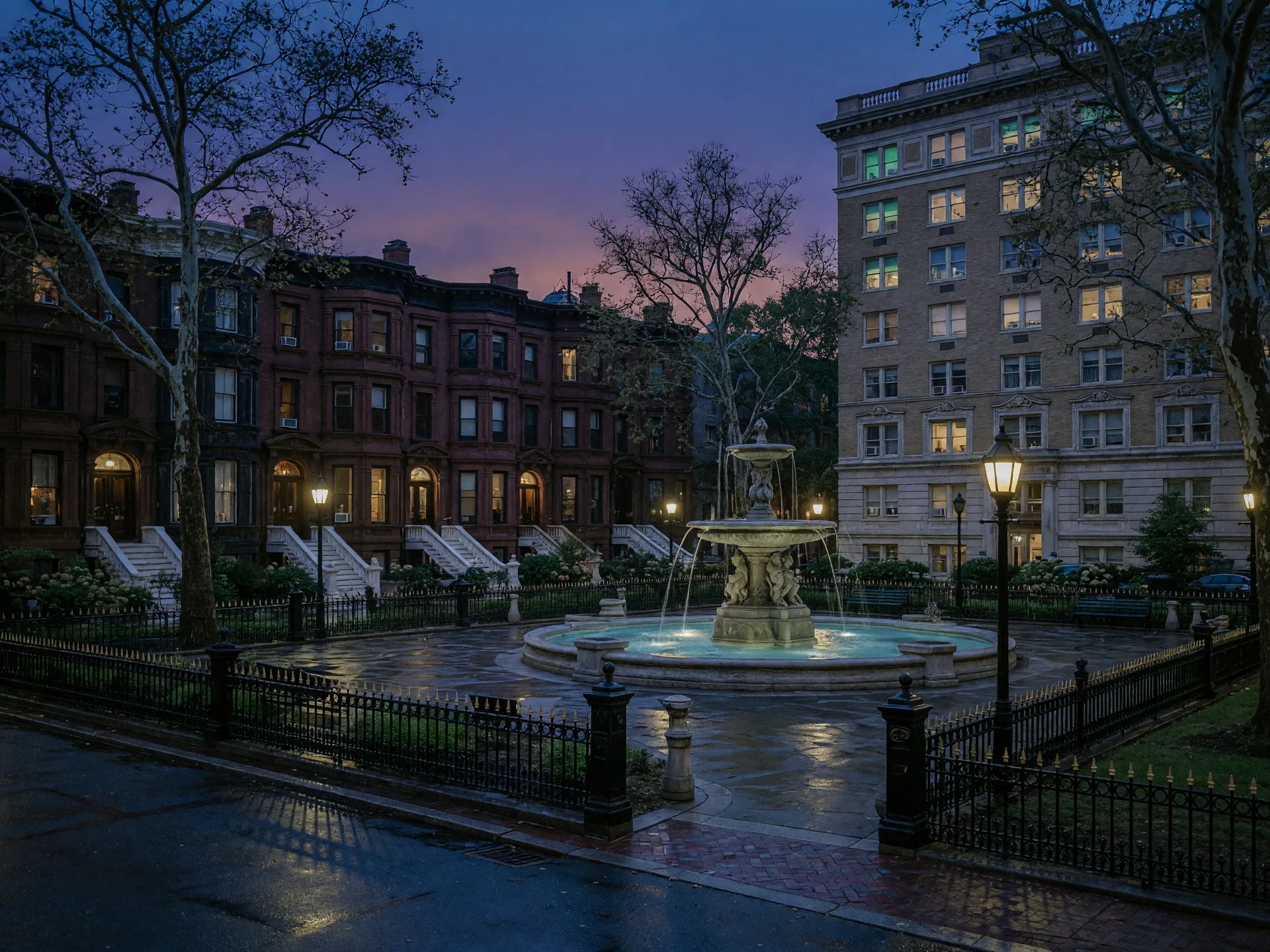
07 min to Center City
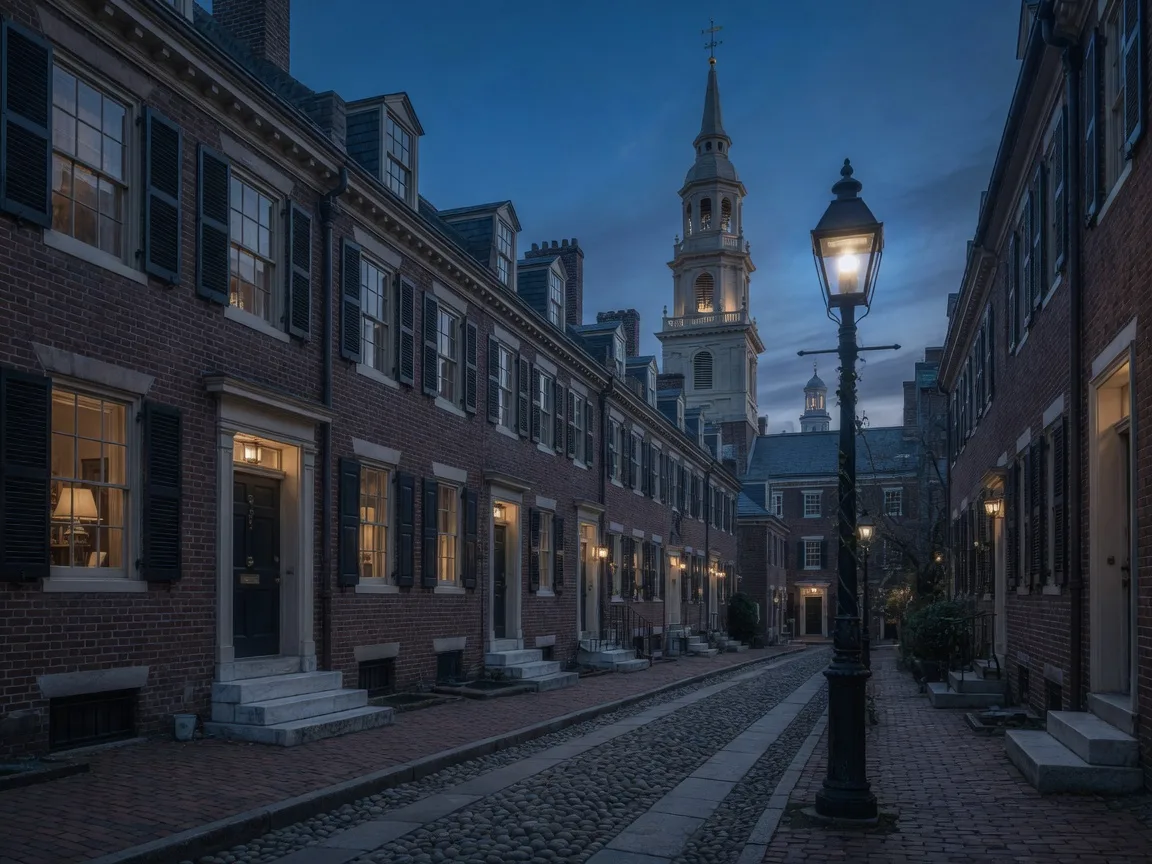
08 min to Center City
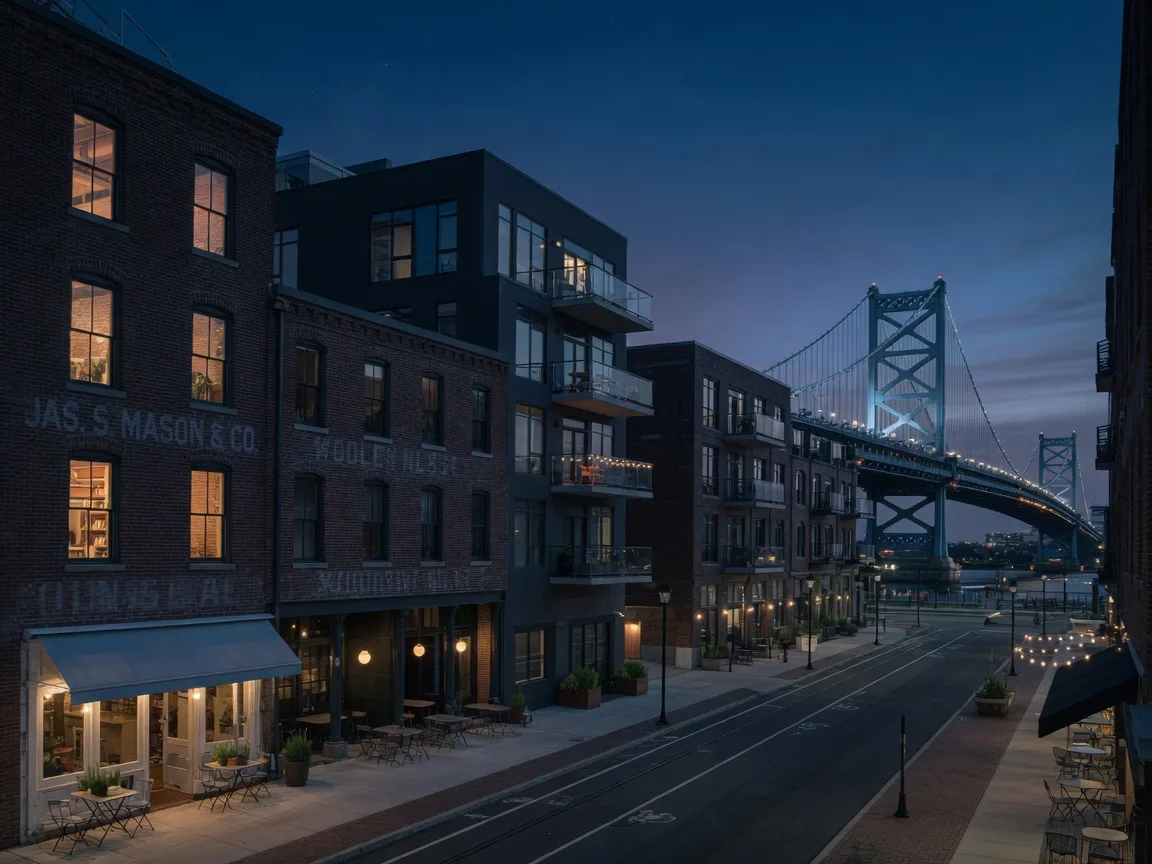
10 min to Center City
12 min to Center City

10 min to Center City
County seat · Philadelphia
Urban Core · City-County
One consolidated city-county: Center City, the river wards, University City, and Chestnut Hill are all Philadelphia County.
See the area guidesCounty seat · Norristown
North & Northwest Suburbs
The northern suburbs and part of the Main Line: Norristown, Jenkintown, King of Prussia, Ardmore, and Bryn Mawr.
See the area guidesCounty seat · Doylestown
Northeast · River Towns
River towns and countryside to the northeast: Doylestown, New Hope, Yardley, and the Delaware River corridor.
See the area guidesCounty seat · West Chester
West · Brandywine Country
The western suburbs and Brandywine country: West Chester, Phoenixville, Exton, and Malvern.
See the area guidesCounty seat · Media
South · Along the Delaware
The southern suburbs along the Delaware River: Media, Swarthmore, Haverford, and Springfield.
See the area guides02 · The Relocation Math
The citywide median sale price ran about 30% to 35% below the national figure in 2025
, and the whole
metro costs less than New York or Washington. Relocating to Philly is rarely a compromise; it is usually an
upgrade.
Numbers below are drawn from 2025 market data. I will walk you through how they apply to your specific move on a call.

03 · How I Help
Every engagement starts the same way: a free call, a plan, and a point of contact who has done this thousands of times.
Changing Lives. Making Money. Having Fun. Craig Lerch, Live in Full Tilt
01 / Relocation
Scouting, video tours, school research, and offer strategy for buyers who have not landed yet. I am your eyes on the ground before you arrive.
See how relocation works02 / Buying
From pre-approval to closing, with straight answers on rowhouse quirks, condo finances, and what a block is really worth.
See buying services03 / Selling
Pricing, preparation, and marketing for homes across the region, plus the downsizing playbook for moving from a house into a condo.
See selling services04 · The Move, Mapped
01
Regional rail, the Market-Frankford line, the Broad Street line, or the car. We find the neighborhood your schedule can live with.
02
City or suburbs, school fit, and budget reality. Two blocks apart can behave like two towns, so the filter is specific.
03
Video walk-throughs before you land, then a tightly scheduled tour day built around your shortlist, not a random drive-by.
04
Financing, attorneys, inspections, utilities, movers: a closing plan that treats the last 30 days as part of the move.
05 · Your Point of Contact
“Lead, follow, or get out of the way.” Craig Lerch, Broker at eXp Realty
That is how Craig Lerch describes the business he has worked for more than 37 years. More than 4,000 transactions in, he has handled rentals, first-time buyers, trade-up buyers, luxury, multi-unit, and commercial deals across Philadelphia and the suburbs.
For relocating buyers, that means one call replaces a month of Reddit rabbit holes: the blocks, the schools, the taxes, and the offers, answered by a broker who has closed it all.
06 · Book Your Relocation Call
A free 20-minute call covers your timeline, budget, commute math, and the neighborhoods you should tour first. You leave with a plan, whether or not we work together.
Or email craig@craiglerch.com
Lead form · 2 minutes
Share your timeline and target area. I reply fast, and every conversation starts with a free relocation call.
Thanks, your request is in.
I will reach out shortly to schedule your relocation call. Need me sooner? Call (267) 214-7728.
The form hit a snag.
Please try again, or call (267) 214-7728 and I will help directly.
07 · The Relocation FAQ
Five questions I hear from almost every relocating buyer, answered briefly and linked to the full guide for each one.
01
The citywide median sale price landed around $275,000 to $290,000 in 2025, roughly 30 to 35 percent below the national median of about $428,000. The metro's overall cost of living runs about 3 percent above the U.S. average, and Philadelphia is about 37 to 38 percent cheaper than New York and about 31 to 33 percent cheaper than Washington. Budget for the city's wage tax, older housing stock, and the property and transfer taxes that differ from the suburbs.
Read the full cost guide02
Your address assigns your child to a neighborhood catchment school, and you do not need to apply to attend it. To attend a different school you apply through one of two routes: the district's annual School Selection window for open seats, and the separate charter lottery on Apply Philly Charter. Suburban Pennsylvania ties attendance to the district where the child resides, while New Jersey's statewide choice program and Delaware's School Choice law open more doors across the metro.
Read the full school guide03
Yes, if you work in Philadelphia. The city taxes work performed in the city regardless of where you live, at the non-resident rate of 3.425 percent in 2026, and your employer withholds it. Remote days still count unless your employer requires the work to be performed outside the city, and suburban townships and school districts levy their own earned income tax of about 1 percent, so moving to the suburbs trades one local tax for another.
Read the full wage tax guide04
A real share of the suburbs is on rail: SEPTA Regional Rail runs 13 lines with about 155 stations reaching the four Pennsylvania counties plus New Jersey and Delaware, and PATCO adds a 24/7 river crossing to South Jersey. Towns on the Main Line's Paoli/Thorndale corridor, such as Ardmore, Bryn Mawr, and Wayne, plus the Lansdale/Doylestown and Media/Wawa corridors, have stations. The catch is verification: a station can sit miles from an address, off-peak trains run hourly or less on many lines, and weekday one-way fares run $5.00 to $8.75 by zone.
Read the full train access guide05
In the city's walkable core, yes: a car-free life runs on SEPTA's $2.90 base fare with up to two free transfers, with regional rail and PATCO covering the wider metro. The catch is geography. Transit density drops once you leave the core, and the suburbs mostly run on a car, so match your neighborhood to your commute before you decide.
Read the full car-free guide